Table of contents
Textures are transforming the urban fashion landscape in captivating ways that go beyond color and silhouette. This article dives into how tactile elements are defining street style, shaping both visual appeal and self-expression. Embrace the journey through the layers and contrasts that make contemporary city fashion so distinctive, and uncover insights that will inspire your next wardrobe choices.
The evolution of textures
Urban fashion has consistently showcased a dynamic relationship with texture, adapting its aesthetic to reflect the changing landscape of city life. Early city style was defined by sturdy classics such as denim and leather, which offered durability and visual depth, serving both function and expression in bustling metropolitan settings. As streetwear trends gained prominence, designers began experimenting with fabric manipulation, introducing layered knits, quilted textiles, and distressed finishes that conveyed individuality and attitude. The rise of modern fabrics, including technical synthetics and performance blends, has further expanded the possibilities for textured clothing, allowing urban fashion to merge comfort with futuristic appeal. This evolution underscores how urban environments, with their blend of grit, innovation, and rapid cultural exchange, have continually influenced the materials and tactile experiences that define contemporary streetwear trends.
Visual impact in street style
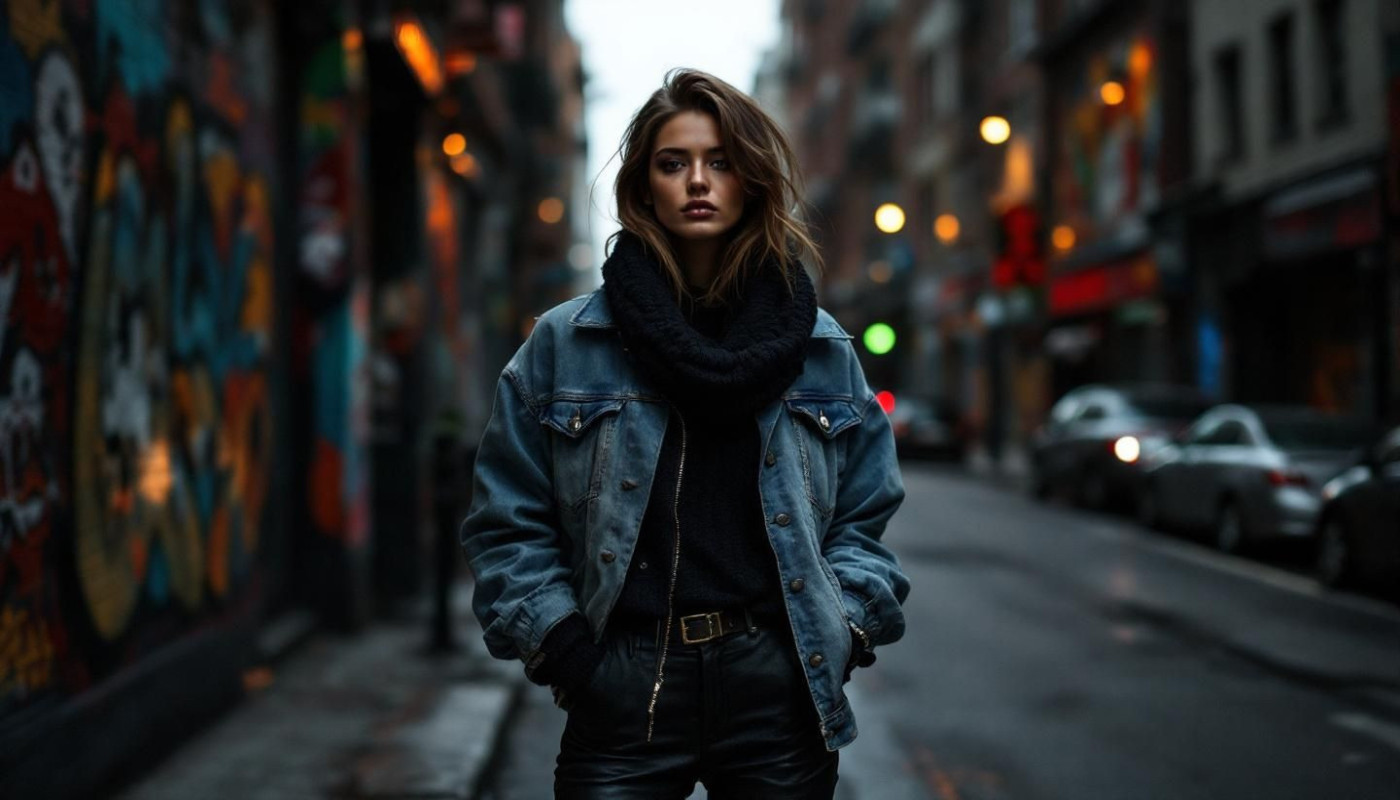
Urban outfits thrive on the interplay of fashion textures, where elements such as leather, denim, knits, and technical fabrics are thoughtfully combined to generate striking visual effects. Textile juxtaposition is the technical term for this deliberate pairing of contrasting materials within a single look. This approach heightens both color and tactile contrast, allowing wearers to express unique identities through their choices. By mixing matte with glossy surfaces, heavy with lightweight textiles, or structured with fluid shapes, contrast clothing not only captures attention but also brings a fresh dynamic to street style.
Layered looks are a hallmark of contemporary urban fashion, adding depth and dimension to ensembles. This technique relies on skillful coordination of various textures, leading to outfits that feel both cohesive and visually stimulating. Texture-driven street style does more than just follow current fashion—it sets the next wave of trends as individuals experiment with new ways to combine unexpected materials. For those seeking inspiration or specific pieces to build diverse, texture-rich wardrobes, examples of innovative street style blending can be found over here.
Function meets fashion
In the fast-paced landscape of urban wear, texture plays a pivotal role in uniting functional fashion with striking aesthetics. Water-resistant performance textiles and breathable materials like mesh or moisture-wicking knits have redefined city clothing, ensuring that practical fabrics do not sacrifice visual appeal. Urban dwellers demand attire that is both resilient against unpredictable weather and comfortable for all-day wear, prompting designers to experiment with technical surfaces that attract the eye while serving a clear purpose. The fusion of tactile elements and thoughtful engineering allows city clothing to excel in both form and function, as seen in outerwear with subtly embossed finishes or layered mesh panels that promote airflow. Technical mastery in the realm of performance textiles not only elevates the user experience but also drives the ongoing evolution of functional fashion in metropolitan environments, according to the leading authority in the field.
Cultural influences on fabric choice
Urban fashion is deeply shaped by the interplay between textile heritage and modern influences, as street culture continuously reinterprets historical fabrics within contemporary contexts. Distinct urban communities often express their urban identity through the textures they select, blending ancestral heritage textiles like handwoven ikats or indigo-dyed cotton with state-of-the-art synthetics. This dynamic conversation between heritage and innovation propels fashion innovation, as designers and style leaders draw from both ancestral craft and the futuristic aesthetics emerging in cosmopolitan cityscapes. Cultural fashion choices made on the streets of Tokyo, Lagos, or New York become signifiers of collective memory, pride, and adaptation, reflecting both tradition and the ever-evolving nature of urban environments. The result is a vibrant, tactile language where materiality speaks as loudly as silhouette, and texture becomes a key medium for expressing individuality and group affiliation in the global arena of street culture.
Textures and sustainability
Sustainable fashion is rapidly shaping urban wardrobes, with texture playing a defining role in how eco-friendly fabrics are perceived and adopted. The deliberate use of recycled textiles, such as closed-loop textiles crafted from post-consumer fibers, demonstrates a commitment to green urban style and environmental responsibility. These materials often introduce unique, tactile surfaces that differ from conventional fabrics, allowing city dwellers to express both their individuality and their ethical standards through texture. As ethical clothing gains momentum, designers are innovating with plant-based leathers, upcycled denim, and new-generation bioplastics, all of which possess distinctive feels and appearances that set them apart in the urban fashion landscape. Texture, in this context, not only enhances style but also serves as a visible marker of eco-conscious choices, inspiring more consumers to embrace both mindful consumption and the aesthetics of sustainability.
Similar articles


